
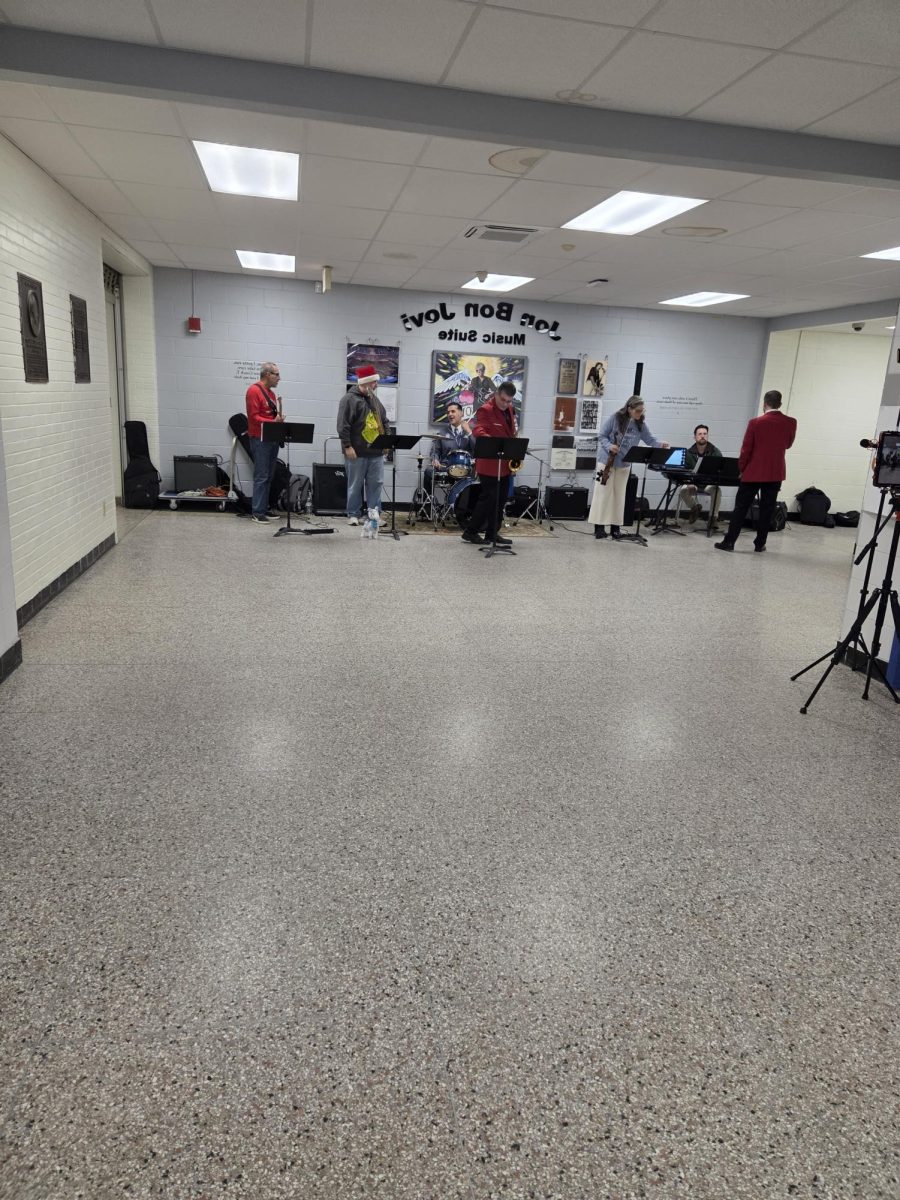

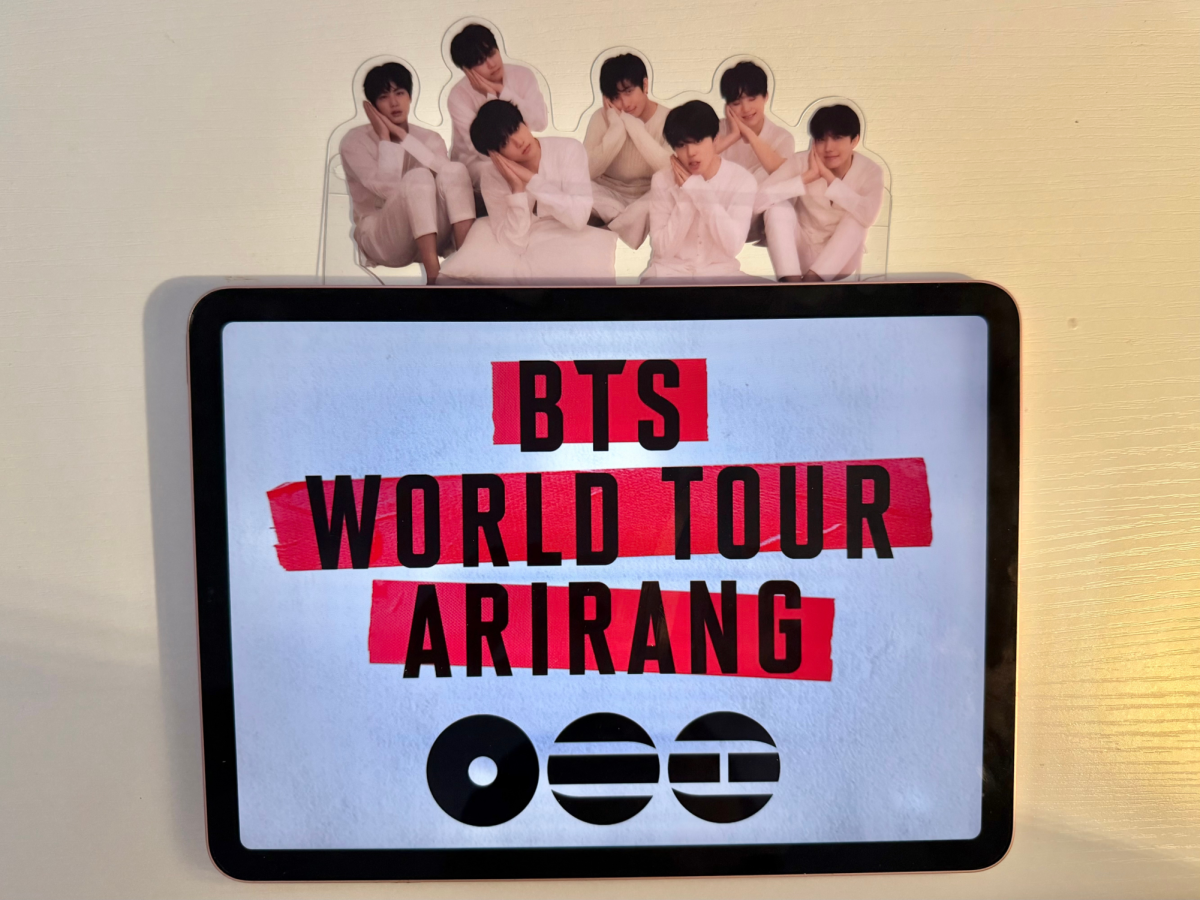






Music was created to be heard live, to be shared with others, to be felt. In the digital age, most of us are happy to have our music right on our phones. Some people find music only sounds good on a CD player or record player. But most people can agree that good music sounds best live.
So when your favorite artist announces a tour, you want to buy tickets. Only to open up Ticketmaster and see that tickets costs make you choose between rent or the show. That is, if you’re even able to get through Ticketmaster’s insane queues. Today it feels nearly impossible to see your favorite musicians live.
Ticketmaster is an online ticketing website that is used by most artists for their tours. The website has become infamous for its poor management, from extremely long queues that crash, to allowing resale tickets more than double face value.
According to ngpf.org the average concert ticket costs $132.62 per person compared to the $43.75 (Pollstar News) just 26 years ago in 2000. Some recent artists who announced tours, such as Harry Styles, sold tickets for upwards of $1,000. Some fans criticized him for robbing his fans, while others said it was worth it since he donated $1 from every ticket to charity.
Shockingly these prices are low compared to the prices of resale tickets. Most ticketing websites have rules to stop scalpers for very popular artists, but no rules to stop resellers from putting up insane prices. For example, when Taylor Swift went on her infamous Eras Tour, resale tickets were reaching $4,000 a piece due to high demand.
The debate over if artists can decide their own ticket prices has been going on for a while. Ticketmaster itself has answered and said that the artists and their team decides the cost of tickets. Artists also have the option to put a cap on resale prices. This makes fans take another look at who they’re supporting if the artist is allowing their fans to spend so much of their hard earned money on a show.
Some artists themselves are calling out the problems with ticket prices, such as Olivia Dean. Dean called the service “exploitative” and urged making live music accessible again. She went as far as putting a limit to resale prices and refunded fans who had paid insane prices.
Many people believe that high ticket prices can be justified as they have lost money from the COVID-19 years when live music shut down. Although it’s true that tours generate a big source of income for artists, it’s not up to the fans to generate the income they lost during the pandemic. The demand for live music may have gone up after its brief pause but that does not justify the prices. Today it feels like attending a concert reflects your economic status instead of your love for music.
Even beyond the cost of tickets, concerts themselves have changed since after the pandemic. One seemingly insane concert culture is camping, where you show up to a concert venue hours or even weeks before a show to get a good spot in the pit. Camping culture existed before the pandemic but it had not been the norm. The return of live music had people so excited that it turned into a problem, especially when it was being romanticized on TikTok.
TikTok made “camping” seem like a place to connect with fans and get the best view you can for a concert. But the reality was that people slept on the streets without showering, without adequate rest, and at times without enough food or water. These fans would then go into a crowded venue, leading to people passing out because of the smell and lack of nutrients.
If the awful conditions did not bother you enough, hopefully cosplaying as the homeless did. Outside of a concert venue, you may pass a group of concert campers that look very similar to a homeless community. But in reality these people spent hundreds to thousands of dollars for seats closest to the stage. So while the homeless were being told to move, the campers were often not because they paid to see the artist.
Concert etiquette has become a large issue. So many concert goers these days will yell at inappropriate times such as during a ballad, or hold up massive signs blocking people’s views, or put attention into filming rather than enjoying. Again, this could be because of the increase in social media, filming every second to post it and make people jealous. Yelling to get the artists attention or holding signs for the artist to read so you could post online that you were noticed by a celebrity.
Will concerts ever go back to being a celebration of live music or will they continue to be more trouble than they are worth? Maybe. In a few more years, the lingering effects of the pandemic may wear off and if artists continue to call out problems, concerts may regain their original purpose.