













Although your hair is biologically dead, it still deserves care. To care for it properly, it’s essential to get to know your hair.
Hair types are categorized with numbers from one to four, with letters A-C indicating the intensity of each type. Type one is straight, type two is wavy, type three is curly, and type four is coily. Keep in mind that hair types can change with age, hormone changes, bleaching damage, or even medication.
Your hair porosity will affect your hair routine and products, making it a crucial piece of information to have. Hair porosity is the measurement of the hair’s ability to absorb and hold moisture, ranging from low, medium, and high porosity.
Low porosity means your hair shaft is closed tightly so it’s very hard for your hair to absorb water, but once absorbed it is very hard to let go of it. If you have low porosity you might deal with your hair taking long to soak in the shower and take forever to dry afterwards.
High porosity is the opposite, it soaks up water almost instantly but also dries up quickly. If you have high porosity your hair may feel moisturized after spraying water but a minute later it feels as if practically nothing was applied.
Medium porosity is the perfect balance of both. It will take a moderate amount of time for your hair to soak up water and it doesn’t get dry extremely fast but also doesn’t take forever.
In order to figure out your porosity there are three methods, all requiring clean and dry hair.
For the float test, put a strand of your hair in a cup of water and let it sit for 2-4 minutes. If it stays at the top, it is low porosity. It is high porosity if it sinks to the bottom. Medium porosity will slowly sink.
You can also do the slide test. Simply slide your fingers from the tip of a strand to the root. If it feels smooth, the cuticles are flat and you have low porosity. On the other hand, cuticles are lifted if it feels rough or bumping, meaning you have high porosity.
Lastly, the spray bottle test. After spraying a strand of hair with water, observe the water’s behavior. Low porosity will be categorized by water that beads up on the surface. Water that is absorbed immediately is high porosity.
Density and thickness may sound similar but they refer to different things. Density is the number of hair strands per square inch of your scalp, ranging from low, medium, and high, while thickness is the diameter of individual hair strands, ranging from thin, medium, and thick.
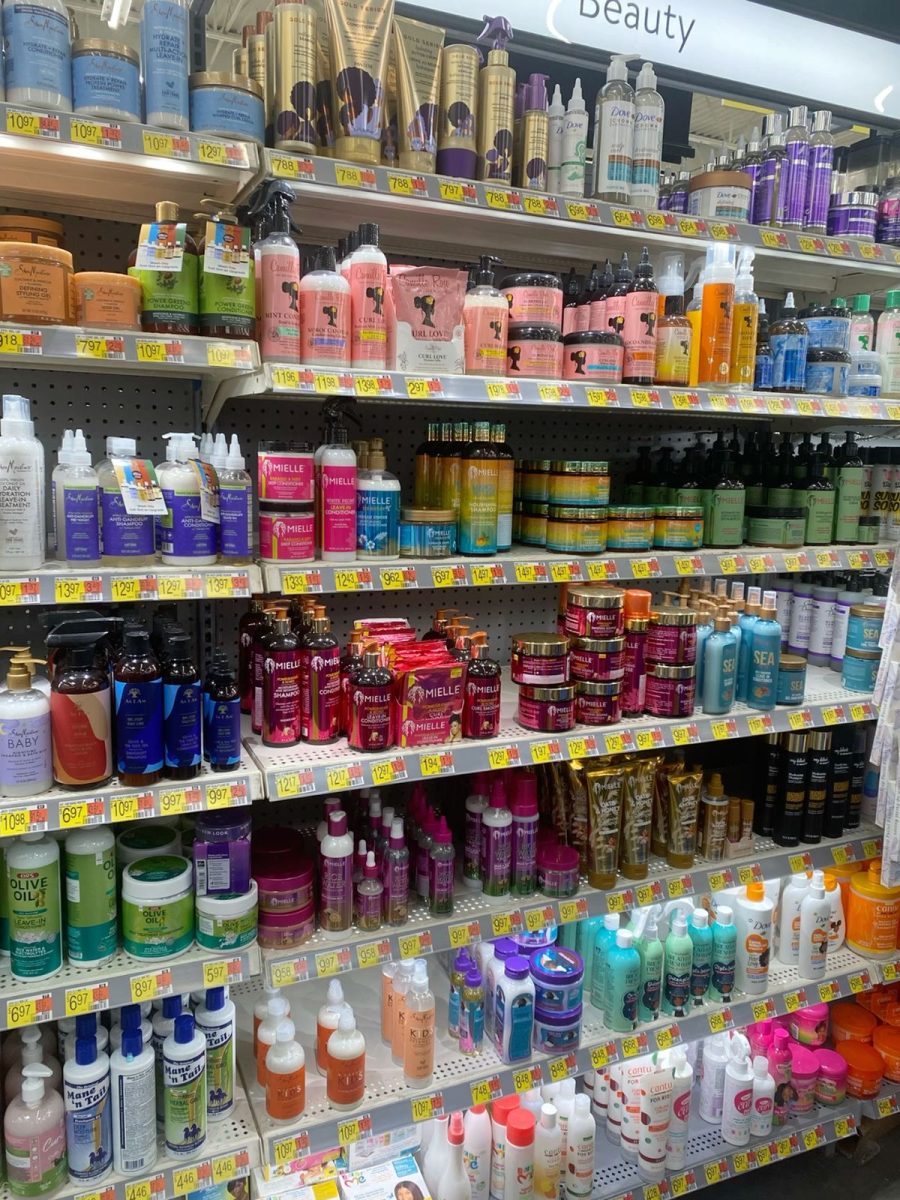
With this knowledge, you can now look for products and routines specifically curated for your hair, ensuring a healthier and more confident look!